
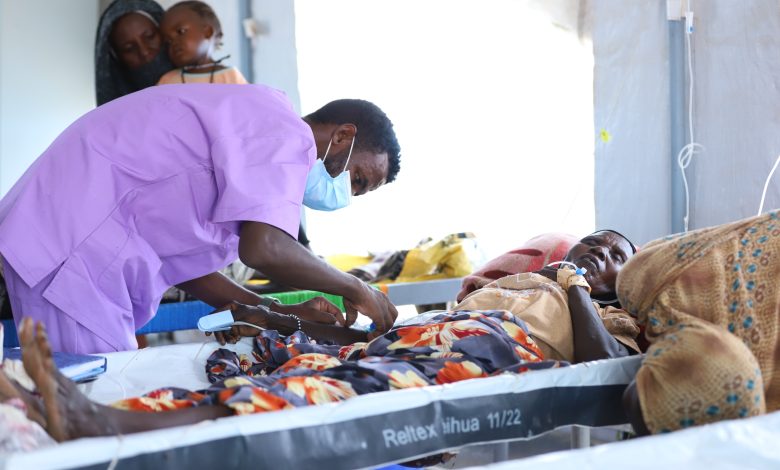
Khartoum Highlight – UNICEF has warned of a major cholera outbreak in North Darfur, threatening more than 640,000 children under five. Currently, Tawila town, 70 kilometers from El Fasher, is now the epicenter with rising cases and deaths. So far, over 1,180 confirmed cases have been reported in Tawila, including 300 children and at least 20 deaths. Meanwhile, across Darfur, more than 2,140 cases and 80 deaths have been recorded due to cholera and infrastructure collapse. The Lack of clean water and overcrowded displacement camps fuel the spread of the deadly waterborne disease. As UNICEF’s Sudan representative noted, “Cholera is killing the most vulnerable children already suffering from hunger and conflict ” . Severe acute malnutrition among children has doubled in North Darfur, increasing the risk of death from cholera.
Aid Blocked as Conflict Fuels Health Crisis
Fighting and looting are obstructing emergency aid delivery to the most affected areas across the region. In Tawila, UNICEF provides clean water to 30,000 people and distributes ORS, chlorinated water, and hygiene kits. However, looted convoys and bureaucracy continue to block life-saving aid from reaching those in urgent need. UNICEF plans to deliver 1.4 million oral vaccine doses and support treatment centers in affected areas. The agency also aims to provide soap, plastic sheets, and other critical hygiene supplies to vulnerable communities. UNICEF has appealed for $30.6 million to sustain its cholera emergency response in Sudan. Since August 2024, over 94,000 cholera cases and 2,370 deaths have been reported in 17 Sudanese states.
More over Health experts warn that the deadly waterborne disease could spread to other Sudanese states if urgent interventions are delayed. Conflict-driven displacement is creating crowded living conditions where the outbreak thrives and prevention becomes extremely difficult.
Aid agencies stress the importance of community awareness to detect symptoms early and seek immediate treatment. Without swift funding and access, the current epidemic risks becoming Sudan’s deadliest health crisis in decades. Preventive measures like vaccination, clean water supply, and hygiene promotion remain the strongest defense against the disease’s deadly impact