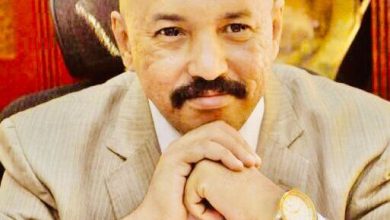


Can Cairo Fix What the African Union Has Broken? – From the balcony- By Tahir Al-Mutassim
The African Union failed to unite Sudanese people under one vision. Its approach lacked coordination and clear standards to address root causes. A delegation from Port Sudan traveled to Addis Ababa. They announced the failure of the African Union initiative. They did not need to travel to Ethiopia to say that. Sudan’s problem is the failure to build on previous efforts. In July last year, Egypt’s Foreign Ministry invited Sudanese factions for talks. I personally witnessed those meetings.
Egyptian mediators let civil and political groups meet freely. They also included armed movements, or the militias that signed the Juba Peace Agreement. The mediators did not interfere. After two days, the civil forces, Tagaddum, and the Democratic Bloc reached a joint statement. Several independent parties also participated. However, some actors opposed to resolving the crisis intervened.
They instructed the Juba Peace Agreement trio to reject the final statement. Ironically, they helped draft the same document. These actors sought to block national consensus. They failed to sway the Democratic Unionist Party (Original) and the Umma Party – Mubarak Al-Fadil faction. Many members of the Democratic Bloc also resisted outside pressure. They prioritized Sudan’s national interest.
International effort:
In April 2025, the London Conference marked two years since the war began. Participants emphasized building on the first Cairo Conference outcomes. In Geneva, the same message was repeated. The Quartet also confirmed this approach in its statement last month. The African Union and Egypt should now coordinate efforts. Cairo’s diplomatic experience makes this cooperation valuable. Egypt’s mediation skills are clear from its role in the Gaza talks. Those talks are currently taking place in Cairo.
The process should build on the July 2024 Cairo Conference. Sudanese civil and political forces must renew their determination. Tagaddum, the Democratic Bloc, and others must unite their will. Only unity can lead to a political solution. Millions of displaced Sudanese have suffered from war and displacement. They have experienced harsh treatment by certain regimes. In Libyan cities, they face hate speech and discrimination. Some areas even deny Sudanese children access to schools.
Human situation :
Inside Sudan, the suffering is deep and widespread. Dengue fever and malaria outbreaks spread across many areas. Famine is used as a weapon in El Fasher and Dilling. The economic crisis has destroyed the national currency. Cairo is the most capable of bringing Sudanese factions together. It understands the roots of Sudan’s crisis. It enjoys trust among most Sudanese and regional actors. That includes Arab, Islamic, and international partners like the Quartet.
Yesterday, in Sharm El-Sheikh, Egypt achieved new diplomatic success. The parties signed the first phase of the U.S. President’s Roadmap. The agreement brought joy across Palestine. This success shows Egypt’s credibility and influence. Egypt and the African Union must act together. They should engage Sudan’s civil and political blocs. Their efforts must be protected from actors prolonging the war. Only then can Sudanese people see light at the end of the tunnel. That light could finally close the doors of division and fragmentation.