
Ibrahim Jaber’s Rise: Military Gamble or Risk of Sanctions
International bets close any room for maneuver for any figure associated with Islamists.
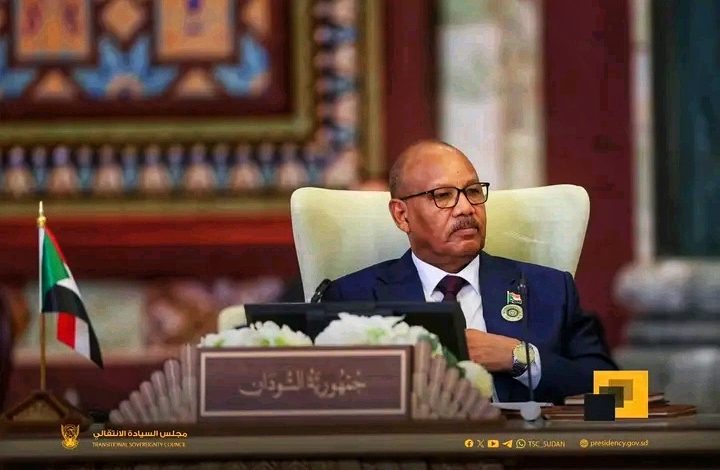
Ibrahim Jaber’s Rise: Military Gamble or Risk of Sanctions – Khartoum Highlight
Admiral Ibrahim Jaber is emerging in Sudan’s political scene, managing sensitive civilian roles, economic institutions, and plans to return government to Khartoum. His visibility raises questions: will the military allow him to expand influence, or restrain him to avoid U.S. sanctions? The Quad’s roadmap—calling for a ceasefire and civilian-led transition within nine months—excludes Islamist factions from executive power. Washington’s 12 September sanctions on Islamist leaders and militias underline that any Islamist-linked return faces punitive measures. Domestically, Islamists are fragmented, struggling with lost legitimacy and facing exclusion, terrorism classification, or conditional survival.
Analysts suggest Jaber offers tactical advantages: a disciplined figure seen as a mediator could ease street tension and aid negotiations. His naval engineering background may project him as a technocrat, not an ideologue—appealing to internal audiences seeking order. Yet risks remain high. Endorsing Jaber could provoke international rejection, domestic backlash, and divisions within the military institution itself. The military’s choice is strategic: gamble on Jaber’s rise, or restrain him to protect Sudan’s fragile path and global acceptance.