
Khartoum Choking Under Chemical Threat
Government Council Confirms chemical Pollution in specific Khartoum areas.
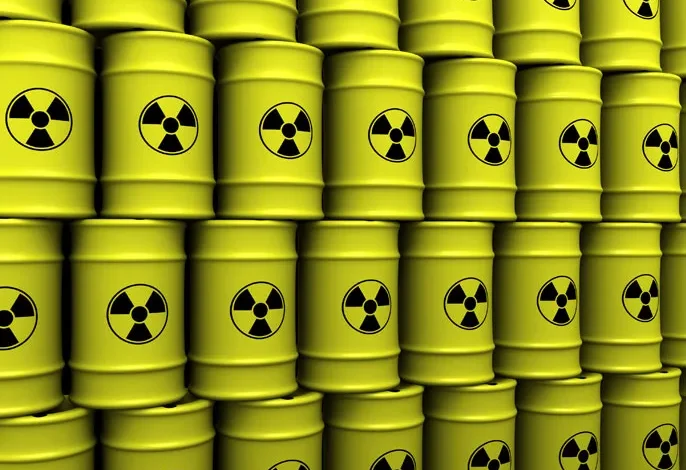
Khartoum Choking Under Chemical Threat-Government Council Confirms chemical Pollution in specific Khartoum areas. Khartoum Highlight
Conflicting reports dominate Port Sudan’s ruling authority about chemical weapons use in Sudan’s capital, Khartoum. Rumors spread about new leaks in East Khartoum. Confusion deepened between official confirmations and denials. The Higher Council for Environment issued a statement through the official news agency confirming chemical pollution in specific Khartoum areas.
Shortly after, Port Sudan’s Ministry of Health released a separate statement denying any chemical contamination in the capital. This comes amid recurring reports warning Khartoum is “unfit for life” due to radiation, chemical weapons, and environmental decay.
Recently, multiple diseases spread across Khartoum. Health officials warned of chemical danger, also confirmed by the US government in May. Since early 2025, experts linked health and environmental phenomena in Khartoum to potential chemical contamination. Months earlier, the United States claimed it had evidence confirming Sudanese army use of chemical weapons during the ongoing war.
Official Confirmation
Dr. Muna Ali Mohamed, Secretary-General of the Higher Council for Environment, confirmed Khartoum experienced chemical pollution. She blamed it on Rapid Support Forces shelling industrial areas. She stressed the urgent need for collective solutions. The council explained chemical substances exist in many products at varying levels, often causing pollution. Awareness is crucial nationally and locally.
The Preliminary Sudan Doctors’ Syndicate said it lacked resources and scientific data to confirm or deny chemical pollution. It also clarified it was not the source of claims declaring Khartoum “unfit for residence due to chemicals.”
Call for International Investigation
Journalist Imad Onsa told Sky News Arabia these reports confirm harmful leaks threatening human life. He stressed the need for technical investigation by international bodies. He added suspicions go beyond chlorine, suggesting mustard gas and others. Recently, Dr. Leila Hamd Al-Nil, Director of Emergency Response in Khartoum, died after respiratory complications.
The United States imposed sanctions on army chief General Abdel Fattah al-Burhan and Port Sudan Authority over alleged chemical weapon use. Senior US officials told The New York Times the Sudanese army used chemical weapons at least twice during the war.