
Khartoum Eats Its Trees :The City That Feeds on Itself
The city that once greened and thrived has become pale and dry, for war devoured her green and her barren.
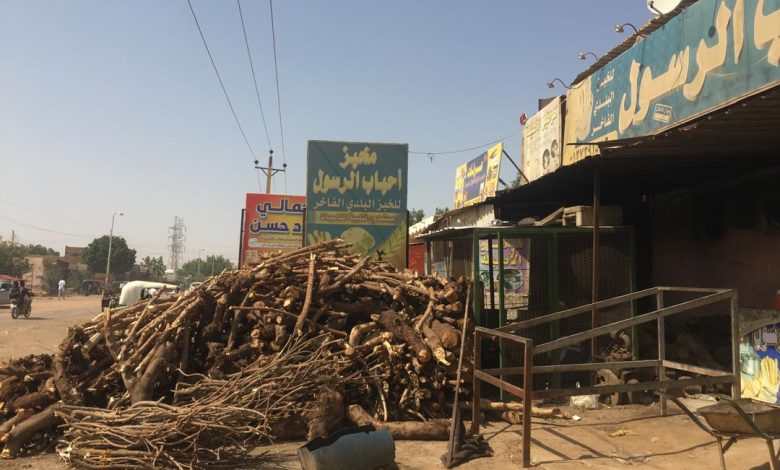
Khartoum Highlight- In wartime, Khartoum no longer waters its trees but cuts them. It does not irrigate but chops to light cooking fires. The city that once flourished with greenery is now pale, dry, shedding branches. Axes are no longer rare tools. They returned to work. Those once hung for memory are now taken down for survival. People cut wood inside the city, which breathes smoke daily from burning logs.
From Collapse to Survival
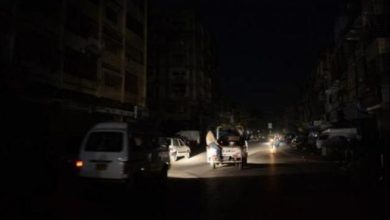
Woodcutting was neither an individual choice nor a sudden new profession. It was a bitter fruit of many collapses. Khartoum once had abundant electricity, water, delivery services, and late-night restaurants. Suddenly, it became an isolated large village. Nothing reached from outside except artillery sounds and the hunger within. Markets emptied of goods. The power grid failed. Cooking gas vanished from shops. Even the wealthy could not buy what they needed. With these successive breakdowns, people returned to primitive survival tools they never imagined using again. Life moved backwards. Axe sounds replaced engines and generators.
A Rural Scene in the Heart of the Capital
The capital once compared to modern neighboring cities now resembles a rural scene in ruins. Fire returned as the main cooking method. Wood became rare fuel, traded for meals or limited internet access. Khartoum no longer resembles itself. It now mirrors remote Sudanese village life—without safety and without nature’s cover.
Daily Struggle in Al-Sahafa
In Al-Sahafa, south of Khartoum, residents adapted to scarcity. They pulled rusty axes from corners, repaired them, sharpened them, and cut dry roadside wood. Soon, woodcutting became daily routine and main income. Neighbors shifted conversations from politics and war to good axe brands and available trees. Society slipped into older lifestyles: gathering, collecting, and chopping wood.
Youth Turn to Woodcutting
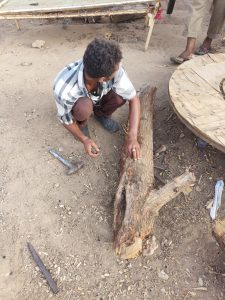
Siraj El-Din, in his twenties, told Khartoum Highlight he lost his job after war began and turned to woodcutting. “We never imagined selling firewood, but without gas, we cut more to cover home needs and sell the rest.” He and his friend Ahmed set no fixed prices, charging only what customers could afford in hard times.
From Survival to Organized Trade
Over time, the trade grew more organized. Local bakeries became regular buyers. Prices settled at seven thousand pounds per quintal. If no scale was available, a handcart load was used as measure. Public kitchens and charity food centers joined the market, often paying less as their goal was not profit. Growing demand created scarcity. Finding trees became harder. Siraj and his peers contacted displaced people via Starlink to cut branches near their homes, paying 2,000 pounds monthly.
From Civil Aviation to Charcoal Making
Badr El-Din, a former civil aviation employee, turned to charcoal production after depleting his savings. He dug a pit behind his home, working with his son to burn wood into charcoal, despite shortages of animal waste. He sells in various bag sizes without strict prices. “Sometimes I sell three bags for a thousand pounds—depends on the customer,” he said.
A Rural Economy in Urban Khartoum
Firewood and charcoal trade is not new in Sudan, but never this widespread in urban life. In villages, woodcutting was part of the traditional economy. Today, it is an urban war-driven survival tactic. War created a new reality, making the axe a symbol of endurance. Modern stoves vanished. Smoke again rose from home corners, while families shared the last trees left.