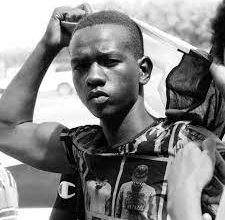

Wajdi Saleh : Al-Burhan Returned Dismantled Funds to Islamists and Helped Them Control the State
Those imprisoned by the dismantling committee joined the fighting from the first day of the war.

Wajdi Saleh : Al-Burhan Returned Dismantled Funds to Islamists and Helped Them Control the State- Those imprisoned by the dismantling committee joined the fighting from the first day of the war.- Khartoum Highlight
“The one who fired the first bullet had an interest in blocking Sudan’s democratic transition and stability.”
The Dismantling Committee recovered around $5 billion in looted funds and assets from the dissolved National Congress Party.
Wajdi Saleh: , member of the suspended Dismantling Committee and Baath Party leader, told Khartoum Highlight: The money recovered by the committee and returned by Al-Burhan after the coup, empowered Islamists to dominate Sudan again. He said they regained control of civil service, economy, and politics. These funds sustained war through propaganda, mobilization, and media influence. “They also enabled their internal and external movements, securing foreign political support to prolong the conflict.”
The Truth About the First Shot
Q: Facts are now clear about who fired the first shot in Sudan’s war. What was their goal?
A: Wajdi Saleh: From day one, we said the one who fired the first shot wanted to change reality. He aimed to block any attempt to stabilize Sudan or achieve democratic transition. The militarization campaign spread nationwide through violence, promoted by National Congress Party leaders.
During Ramadan, they declared it would be the last month of peaceful politics. They threatened Sudanese people, promising to ignite war and declaring readiness to die for their cause.
Now, the truth is clear: civilian forces never had an interest in war. Civilians cannot adopt violence, regardless of political differences. The December Revolution embraced peaceful struggle and sought to restore Sudan’s rightful path. We warned early: once war began, it would not stop easily. The war worsened political and social conditions, fueled by hate speech.
Negotiation is the only way to end the war
Each warring side tried to gather maximum support through dangerous rhetoric. That’s why we insisted negotiation is the only way to end the war. We supported the Jeddah Platform from the war’s first month. Sadly, military leaders withdrew, prolonging war because peace threatens their interests.
They blocked negotiations and hijacked the Armed Forces’ leadership. From day one, Sudanese people saw the organized war effort. Such preparation was impossible without dissolved National Congress and Islamist leadership. Islamist leaders held positions in air force, armored divisions, and other military zones. From the first day, misleading propaganda promised quick victory and restoration of old regime.
They vowed security and stability would return after defeating the “rebel” Rapid Support Forces. These are the same forces they defended against the December Revolution. They even allied with RSF during the October 25 coup. Now it is clear who benefits from war and fuels it. They expect to return to power, even at the cost of Sudanese lives and national destruction.
Imprisoned Islamists in the Fighting
Q: From the first day, we saw dissolved party members—previously jailed—fighting with weapons. What does this mean?
A: Wajdi Saleh: Yes, indeed. Those detained by the Dismantling Committee did not just fight from the first day. They also planned and prepared for the war. After the October 25 coup, they gained space to expand. They were re-empowered economically and reinstated in state institutions. The coup canceled dismantling decisions, enabling Islamists to fully return. This restored their influence across all state institutions.
The Dismantling Committee had earlier seized most of their institutions, especially Popular Security. We paralyzed their security and military organizations completely. The organized and armed appearance of the same elements confirms our previous actions. Their return shows how the coup revived their strength.
War Financing and Prolonged Conflict
Q: The army and allied battalions promised a quick victory. Yet the war continues. How is it funded?
A: Wajdi Saleh: We said earlier: this war, once started, cannot stop easily. It only grows more complicated with time. It is not fueled by internal factors alone. There are also economic, regional, and international dimensions. Therefore, claims of a quick victory were unrealistic. No analysis supported such expectations.
The war still rages because of its complexity. Warring parties now have ties with regional and global powers. These powers seek their own interests. Unless convinced peace serves them, they will not stop the war.
Sudan’s war is no longer purely internal. Parties are fighting on behalf of other forces. The situation worsened after the Rapid Support Forces formed a political alliance. They announced a government in Nyala with military and civilian groups. This made the conflict more complicated.
It also pushed Sudanese people further away from being the main solution actors. That is why the war must end. Warring parties should be stripped of any popular legitimacy.
Recovered Funds and the War
Q: As a leader in the suspended Dismantling Committee, do you believe returned funds fueled the war?
A: Wajdi Saleh: Absolutely. The funds recovered from the dissolved National Congress and Islamist leaders were returned after the October 25 coup. These were public funds. They should have remained in the treasury. Instead, they were given back to their former owners. This proves the coup itself—and the April 15 war—were ignited by forces hurt by dismantling decisions.
Security reports confirmed the organization was stripped of most of its wealth. They admitted losing over 80% of their funds. The committee also seized control of their security structures. They were completely paralyzed before the coup. The organization thrived only with money. Even their leaders admitted on TV they could not mobilize without it.
Their political activities and mass rallies collapsed once deprived of resources. Money was central to their power. Restoring these funds allowed them to reestablish influence.
They regained full control over civil service, economy, and politics. They still dominate Sudan’s institutions today. Those funds now fuel war—through propaganda, mobilization, and media control. They also finance Islamist leaders’ movements, inside and abroad. This helps them win foreign support for prolonging war.
Estimated Value of Recovered Funds
Q: Can you give an estimate of the Islamist funds recovered by the Dismantling Committee?
A: Wajdi Saleh: The recovered funds were massive, worth billions of dollars. In our first year alone, we seized over $475 million. This was only looted endowment funds. That was just the first year, before the coup. No full statistics exist for the second year. But the amounts were far greater. We also seized assets of the Islamic Da’wah Organization. These included buildings, pharmaceutical companies, and trade enterprises.
Other confiscated entities included transport, heavy machinery, and road construction companies. Even limousine businesses and poultry firms were recovered. My estimate is at least four to five billion dollars. This includes both liquid funds and tangible assets.
Terrorist Groups and Foreign Funding
Q: Extremist groups appeared in videos fighting in Sudan. Did the international Muslim Brotherhood finance the war?
A: Wajdi Saleh: I have no confirmed information about direct Brotherhood funding. But many groups had an interest in Sudan’s instability. Some were Islamist organizations, others were groups benefiting from chaos. For them, war created a favorable environment to grow. It is possible that support came from such groups. But this war also attracted foreign state funding.
Certain countries had vested interests in maintaining Sudan’s turmoil. Even if linked with terrorist or Islamist networks abroad. This tragic war destroyed Sudan. Yet it also became a vehicle for external agendas. Judge Abu Sabiha and Released Funds
Q: Did Judge Abu Sabiha’s quick decisions after the coup help finance the war?
A: Wajdi Saleh: Abu Sabiha had no authority. He only followed orders. The real decision-maker was Al-Burhan. Sadly, Abu Sabiha became a cheap tool for the dissolved National Congress and its allies. He also served Al-Burhan’s agenda. Returning those funds helped finance and inflame the war.
It revived the banned organization’s political activities. In fact, Islamists now control power in Port Sudan. They steer decisions, appointments, arrests, torture, and even killings. This all began after the October 25 coup.
The dissolved National Congress and Al-Burhan became direct allies. Abu Sabiha executed their political agenda under the judiciary’s name. That was a grave abuse of justice. He issued rulings without even reviewing documents. His judgments lacked any legal basis. These crimes will not be forgotten. They cannot expire with time, especially when judiciary is misused politically. History will not forgive Abu Sabiha. Accountability is inevitable for such crimes.
International Brotherhood Investments in Sudan
Q: What was the scale of international Brotherhood investments in Sudan?
Were they moved abroad after the coup?
A: Wajdi Saleh: The investments were significant, spanning companies, exchanges, hotels, and agricultural projects. They operated in northern, central, and Blue Nile regions. After the October 25 coup, most assets were likely liquidated. They were transferred abroad for safekeeping. Some funds may still remain inside Sudan.
But I believe these are minimal. Wherever moved, such assets remain tainted by Sudanese blood.
They should be pursued by justice, even abroad. Reports showed Islamist funds moved to Turkey, Gulf states, and neighboring countries. They were laundered through banking systems. Currently, Islamists exploit state resources, not their own funds. They preserve their assets abroad for future use.
Inside Sudan, they rely on public institutions and state revenues. They control national investments, treating them as private wealth.
If Sudan wants real democratic transition, dismantling must continue. Not only the June 30 system, but also the October 25 coup structure. Recovered funds must remain tracked worldwide. International anti-money laundering reports confirmed the committee’s earlier findings.
Continuing the Dismantling Mission
The Islamist organization grew within state power and cannot function without money. That is why dismantling their resources is essential. We showed through the Dismantling Committee that funds and assets were central to their dominance. Taking them back crippled their networks. But the October 25 coup reversed these gains. It returned looted public wealth to its former owners.
Those resources now finance war, propaganda, and foreign lobbying. They sustain instability and block Sudan’s democratic path.
The Sudanese people must continue demanding justice. Stolen funds remain marked and traceable worldwide. International reports on money laundering and terrorism financing confirmed our warnings. They matched the committee’s evidence and decisions. For Sudan’s future, dismantling must persist. Only by removing these financial and political structures can democratic transition succeed.